Claim 4: I Was Paid In Advance And Did Not Do The Agreed Upon Work

Liana Kerzner has publicly claimed that she paid me in advance for development work on Song of Sparklemuffin, and that I failed to do the agreed‑upon work. The implication she advances is that I did only the bare minimum and was otherwise disengaged.
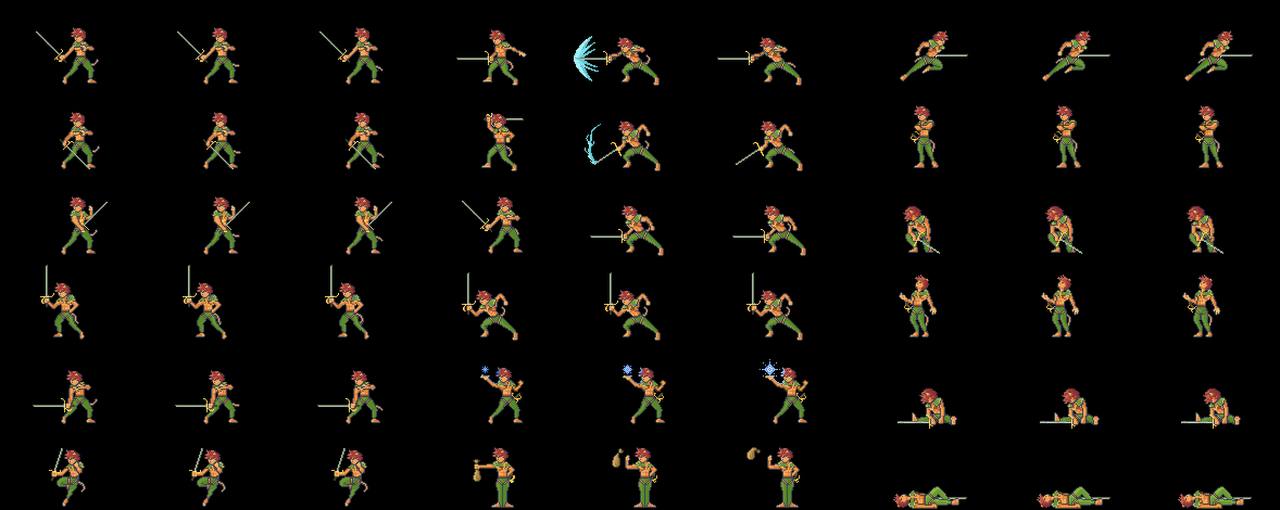
This claim does not align with the documented scope of the work I performed, nor with standard industry valuation for comparable contributions. For transparency, I will set out my compensation, the work I completed, and a reasonable estimate of what that work would be valued at under typical independent production rates.
For my work on Song of Sparklemuffin, Kerzner initially paid me $1,800‑plus, which was reported on my tax filings and is documented in the attached records.

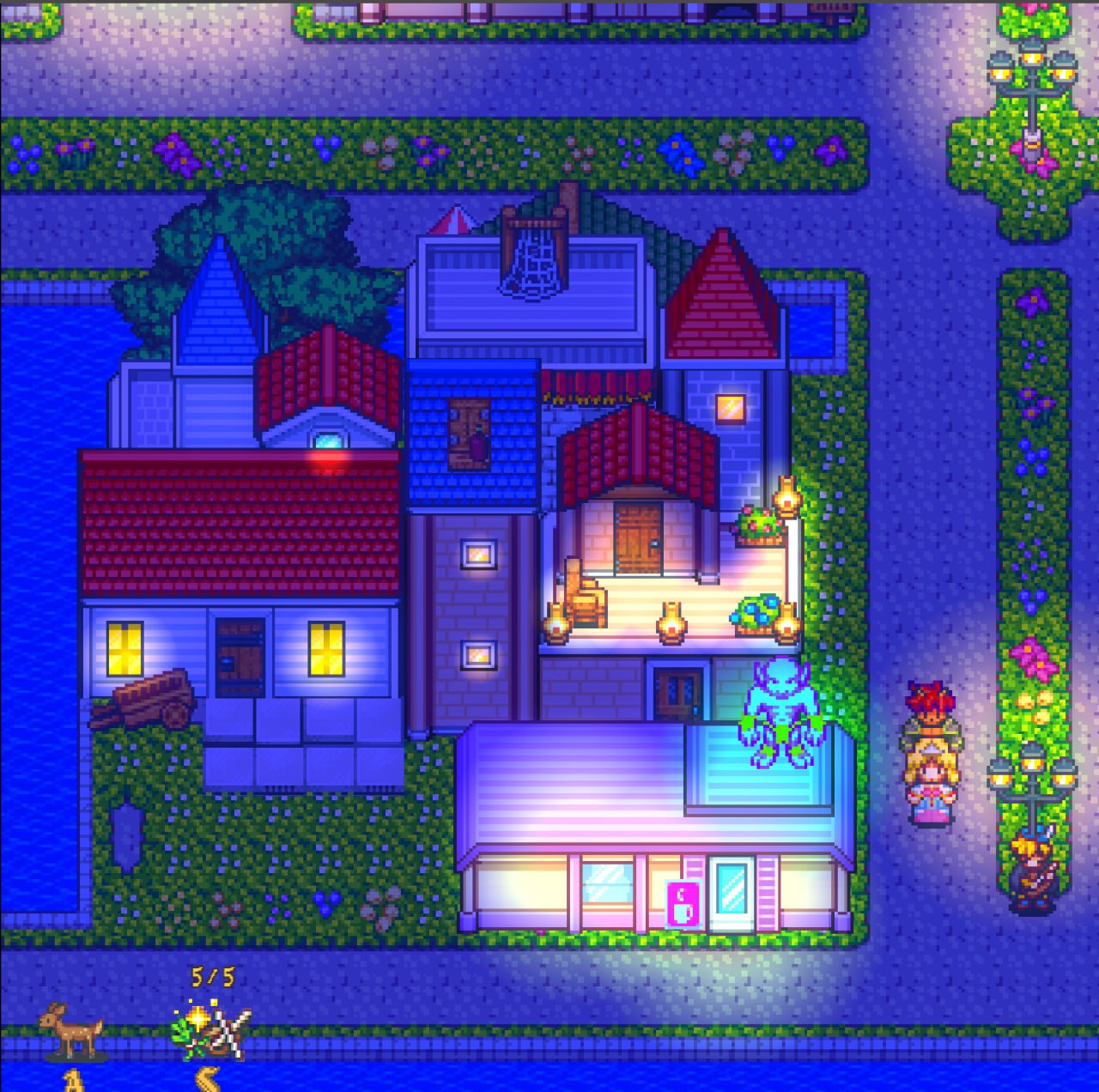
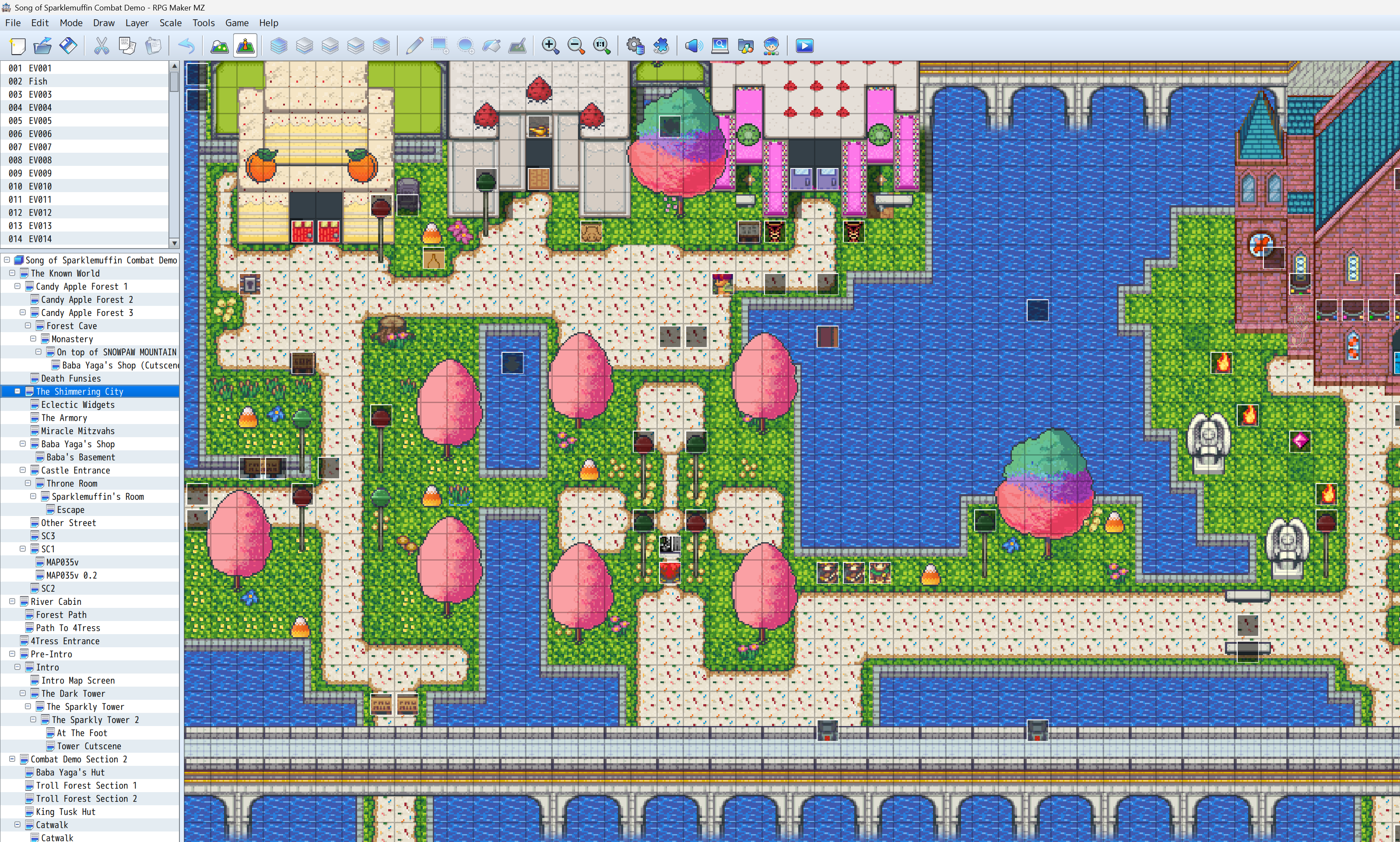
Below is a breakdown of the major workstreams I completed before the cancellation, with conservative market estimates for similar work. These estimates are illustrative and purposefully on the low end of typical industry rates to demonstrate that the amount paid was substantially below the value delivered.
Other Systems Work:
•Weather System with Calendar/Seasonal Cycle
Built a lightweight environment timing system tied to day/night, seasons, and terrain triggers.
Conservative indie estimate: $80
•Stealth/Distraction System (In Progress)
Work had begun but was not completed at the time of cancellation. It involved item‑based diversion mechanics being integrated into combat scenarios.
Kerzner has, in public platforms, described my contributions in dismissive and inaccurate terms — for example, implying I “did fuck all squat” while performing unrelated activities (e.g., a Second Life "karaoke competition"). The karaoke competition referenced occurred over several months, but during that same period I:
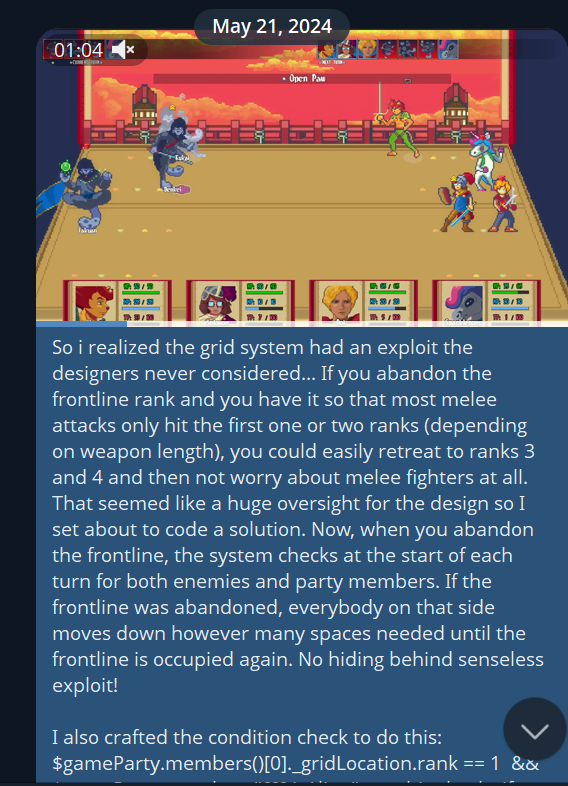
•Began integrating the grid movement and combat mechanics in April;
•Demonstrated and iterated on those mechanics in May;
•Continued producing art, music, and system work concurrently.
The implication that these two activities were mutually exclusive or that my focus was elsewhere while neglecting game development is not supported by the timestamped records of my contributions.
Kerzner has also referenced audio editing assistance she claims she provided for me. In fact:

•I hold a degree in multimedia technologies and routinely performed my own editing, mix work, and sound correction.
•On collaborative musical projects with Kerzner, I provided audio mixing, pitch correction, and composite editing as part of our shared work.
•I have also completed significant external multimedia work (e.g., composite editing for a virtual opera production during the pandemic), which demonstrates my competency in those areas independent of Kerzner’s involvement.
Kerzner’s suggestion that I relied on her for tasks that align directly with my documented experience and skills is not consistent with the record of our communications and deliverables. She provided editing services for Captain Coloratura— not me.

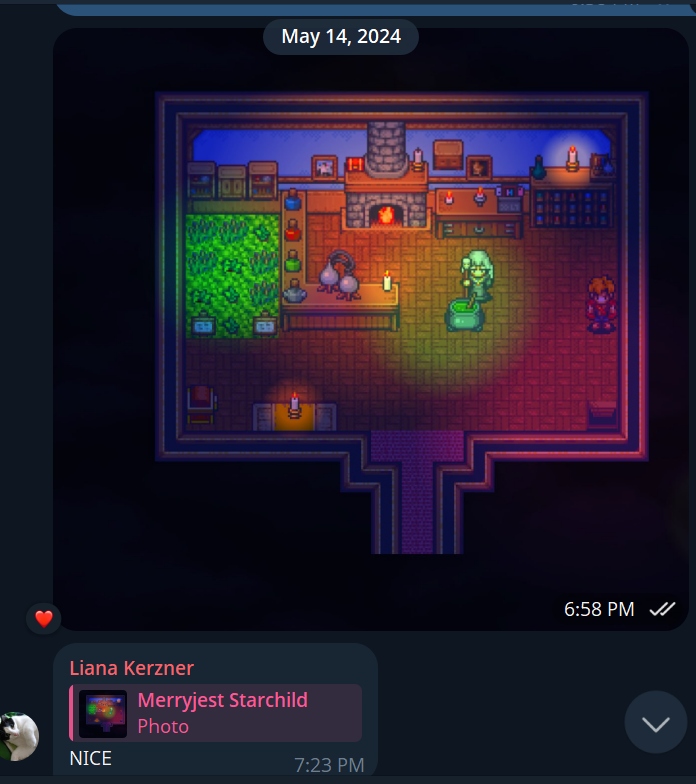


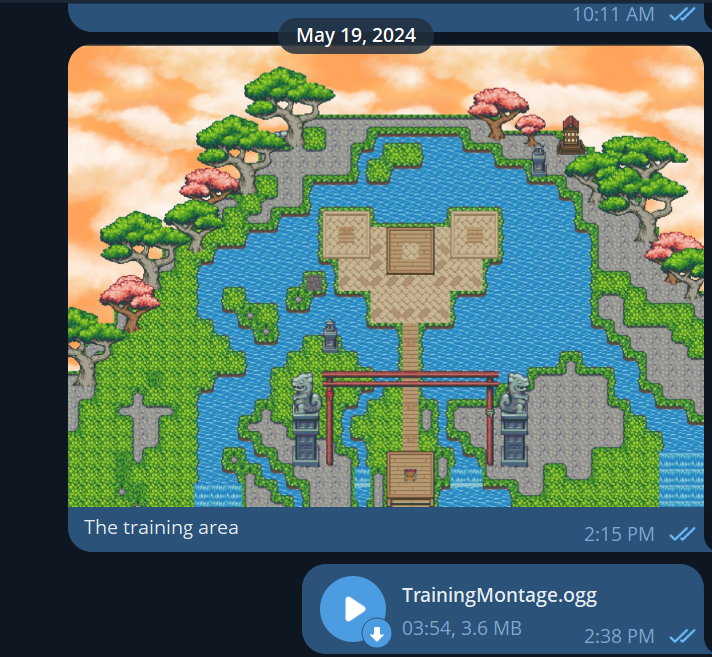


The $1,800‑plus compensation was agreed upon partly to reserve funds for fair third‑party compensation, such as voice actors, rather than maximize remuneration for internal team members — a choice sometimes made on indie projects to prioritize external contractor rates.
Although I was, by most industry standards, significantly underpaid for the volume and complexity of work delivered, I accepted this arrangement in good faith as part of a collaborative indie development model.
Taken together, the scope of work I performed — across music composition, character art, systems design, tools development, animation implementation, and tactical combat features — far exceeds the minimal characterization implied by Kerzner’s statement. The documented deliverables and reasonable market valuations demonstrate that:
•I fulfilled work expected to the best of my ablities;
•I contributed substantial technical and creative value beyond simple artifact delivery;
•I did not fail to perform agreed‑upon work.
The fact that certain scripts remained unfinished — for reasons fully documented in this dossier — does not diminish the volume or quality of the work I completed prior to the cancellation. The ultimate reason for the game not being delivered, in the end, was Kerzner's decision to cancel the project. As I have stated at the beginning of this dossier, this was her prerogative.